
Say No to Data Centres Fiji — Until Transparency, Independent Science, and Meaningful Consultation Come First
A new petition calls on the Government of Fiji to pause data-centre approvals until environmental, legal, and constitutional obligations are met through transparent, independent, and evidence-based process.
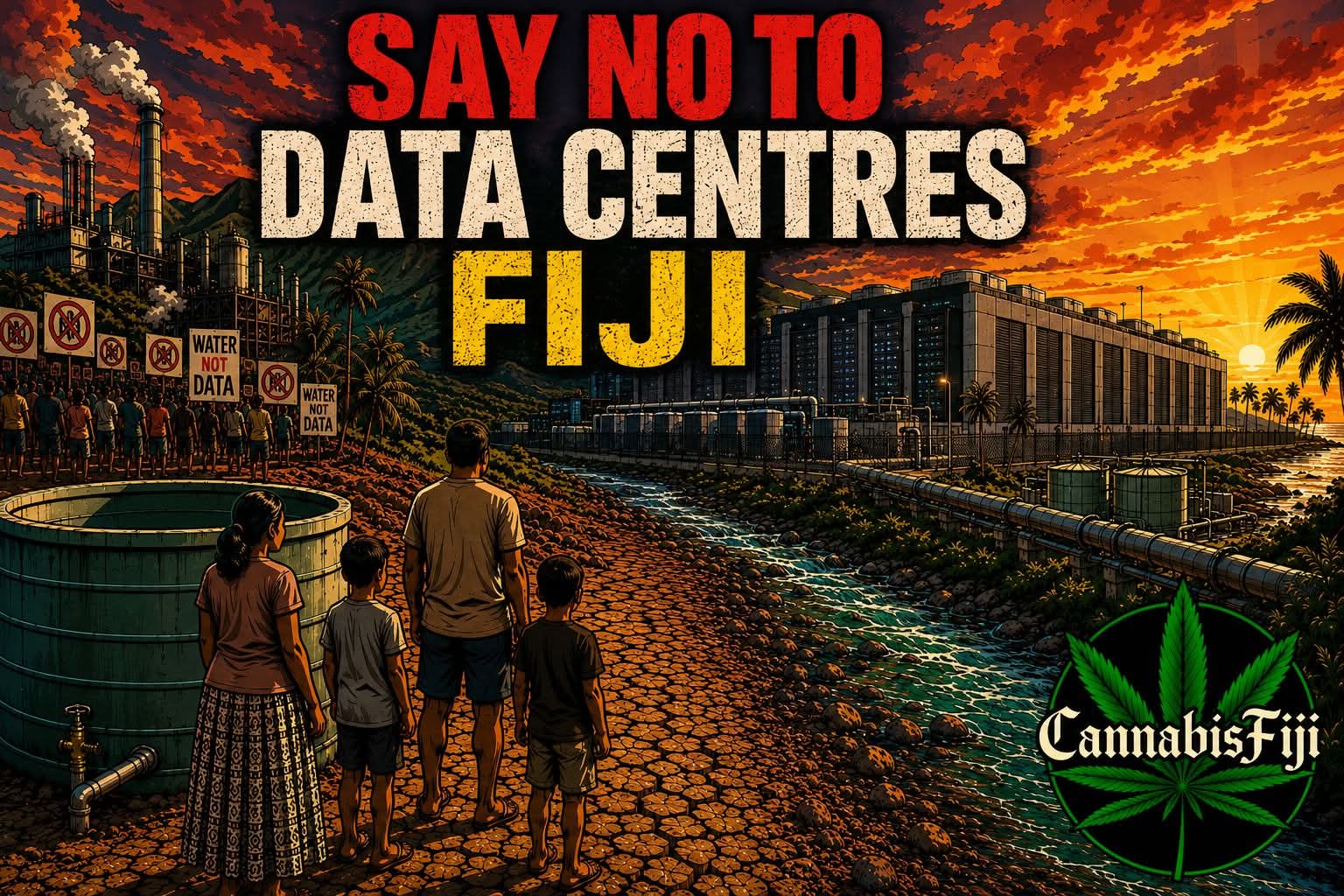
We, the undersigned, respectfully petition the Government of Fiji and all relevant decision-makers to ensure that no approval is granted for any proposed data-centre development until all constitutional, statutory, environmental, and administrative obligations have been fully satisfied through a transparent, independent, and evidence-based process.
This petition is not opposed to technological advancement, digital infrastructure, or responsible economic development. Rather, it seeks to ensure that development proceeds lawfully, transparently, and consistently with the rights guaranteed under the Constitution of the Republic of Fiji and the principles embodied in Fiji's environmental legislation.
The Constitution protects, among other things, the rights to access information, administrative justice, adequate food and clean and safe water, health, and a clean and healthy environment. It also recognises and protects the ownership and interests of iTaukei landowners. Every public authority exercising statutory powers in relation to a proposed data-centre development must discharge those powers lawfully, reasonably, fairly, and transparently.
The Environment Management Act 2005 establishes a legal framework for environmental protection, pollution control, waste management, and sustainable development. Its Environmental Impact Assessment regime is intended to ensure that decisions affecting the environment are made only after adequate scientific investigation, public participation, and proper consideration of environmental risks. The framework provides for public inspection of EIA reports, public submissions, further investigations where information is inadequate, additional studies where uncertainty exists, and consideration of cumulative impacts before approvals are granted.
International human rights principles reinforce these obligations. The United Nations has recognised access to safe drinking water and sanitation as a fundamental human right. Where a proposed development may significantly affect water resources, energy infrastructure, environmental quality, or public health, approvals must be informed by the best available scientific evidence and meaningful public participation.
Meaningful consultation requires more than disclosure of project-specific information. It must include all reasonably available scientific evidence arising from comparable data-centre developments overseas, particularly in the United States, where data centres have operated for many years under extensive environmental regulation. Communities cannot provide informed consent without access to relevant comparative evidence demonstrating both the potential benefits and the potential risks identified elsewhere.
Genuine consultation must occur before decisions are effectively made, provide sufficient time to review technical material, present information in clear and accessible language, and inform communities of projected water consumption, electricity demand, wastewater generation, environmental risks, cumulative regional impacts, mitigation measures, alternative locations, anticipated economic benefits, monitoring arrangements, contingency planning, and available legal rights.
We respectfully call upon the Government of Fiji and all relevant authorities to: suspend any proposed data-centre approval until all environmental and statutory assessment requirements are complete; require an independent Environmental Impact Assessment or independent review of any existing EIA by suitably qualified experts free from conflicts of interest; publish all EIAs, technical reports, scientific modelling, hydrological and groundwater studies, water and electricity demand forecasts, emissions studies, waste management plans, and cumulative-impact assessments before any approval is granted; publish all reasonably available overseas studies, monitoring reports, regulatory findings, academic research, and comparative evidence as part of public consultation; ensure genuine, culturally appropriate, and informed consultation with all affected iTaukei landowners and communities; require independent peer review of all technical modelling and environmental assessments; establish ongoing independent environmental monitoring with regular public reporting; investigate and address any failure to disclose material information or any misleading representation made during the approval process; and ensure that persons adversely affected by unlawful approvals, inadequate consultation, or demonstrable environmental harm have access to appropriate legal remedies under Fiji law.
Development should never require the public to choose between economic opportunity and fundamental rights. Where a proposal is genuinely in the national interest, it should withstand independent scientific scrutiny, transparent public examination, and lawful consultation. Transparency strengthens public confidence. Independent science strengthens better decision-making. Meaningful consultation strengthens democracy.
Say Yes to Transparency. Say Yes to Independent Science. Say Yes to Meaningful Consultation. Say Yes to Accountability. Say No to Blind Development. Say No to Data Centres Fiji.
Sign the petition now and add your name to the call for transparency, independent science, and meaningful consultation before any data-centre approval is granted in Fiji: https://c.org/fy5hxzrjv9
Sign the petition on Change.org →Just Embarrassing for Fiji: Fiji Wants Climate Money — But What Is Fiji Doing Itself?
Australia is spending A$20 million on a UN climate pre-summit in Fiji. Meanwhile the industrial hemp industry Fiji legally enabled in 2022 still has not been rolled out.
The Missing Voices: Where Were Fiji's Environmental Watchdogs During the Natadola ICT Debate?
A major national development project raised questions about consultation, environmental accountability and transparency. This investigation asks why established environmental voices were not publicly visible during the debate.
8,000 Plants Seized. But Fiji Must Also Answer a Bigger Question: What Happens Next?
The Fiji Police Force carried out its duty under current law. But the seizure of nearly 8,000 suspected cannabis plants also exposes the policy crossroads between prohibition and regulation.