
The Missing Voices: Where Were Fiji's Environmental Watchdogs During the Natadola ICT Debate?
A major national development project raised questions about consultation, environmental accountability and transparency. This investigation asks why established environmental voices were not publicly visible during the debate.
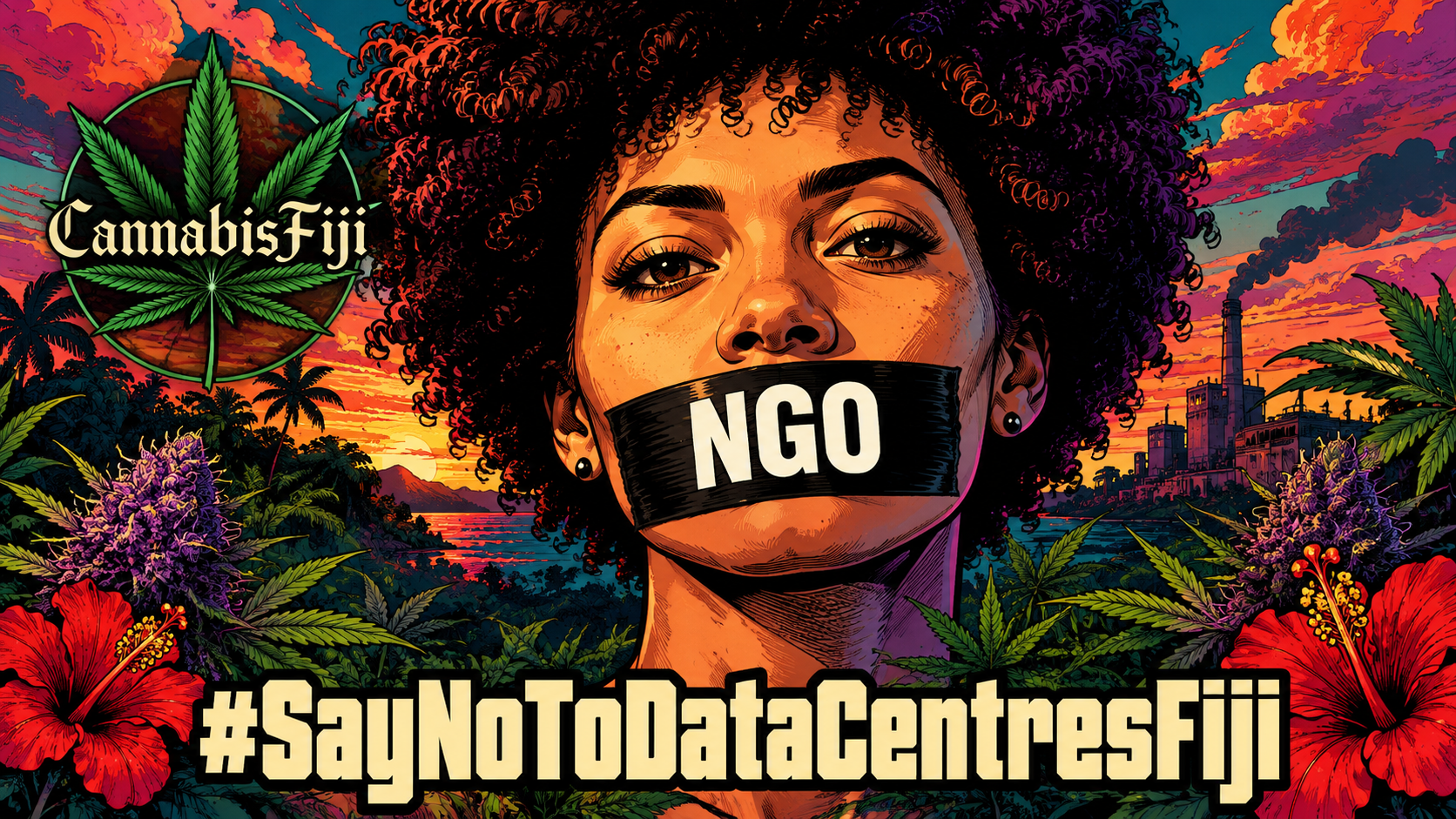
A major national development project raised questions about consultation, environmental accountability and transparency. A grassroots movement spoke publicly. But where were Fiji's established environmental voices?
This investigation does not claim wrongdoing. It does not assume motives. It asks a public-interest question: When environmental questions emerged around one of Fiji's most significant digital infrastructure developments, why was there limited visible public engagement from organizations whose missions include protecting Fiji's natural environment?
Public trust is not built only through action. It is also built through transparency.
A Development Project Under Public Scrutiny
Google's proposed Natadola ICT facility has been presented by government as a significant investment in Fiji's digital future, intended to strengthen connectivity and enhance Fiji's role in regional digital infrastructure.
Supporters argue that improved digital infrastructure can create opportunities, strengthen international connections and contribute to economic development.
But major infrastructure projects also require public confidence. Responsible questions include: What exactly is being built? What environmental assessments apply? What resources will the facility require? How will environmental impacts be monitored? Were affected communities provided sufficient information to participate meaningfully?
These are not anti-development questions. They are responsible governance questions.
When Environmental Questions Emerged
As public discussion around the project increased, concerns were raised regarding consultation, landowner understanding, environmental safeguards and possible long-term implications.
The Ministry responsible for environment later clarified that the Natadola development involved separate components and that the project was not approved as a hyperscale data centre. The Ministry also stated that environmental assessment processes had considered separate elements of the development and that one component did not proceed after concerns were identified, including issues relating to consultation. These developments highlighted why independent environmental scrutiny matters.
The Public Record: What Was Found
This investigation reviewed publicly available information available up to publication, including official organizational websites, public statements, media coverage, and visible online communications and announcements.
The review examined environmental organizations with established mandates involving conservation, sustainability, biodiversity protection and environmental governance. These included organizations such as NatureFiji–MareqetiViti, WWF Pacific, Conservation International, Wildlife Conservation Society, and National Trust of Fiji.
These organizations have established histories of environmental work across Fiji and the Pacific. However, based on publicly available records reviewed, no public statement, environmental alert or visible public position specifically addressing the Natadola ICT facility was identified from the organizations reviewed.
This finding must be understood carefully. It does not prove these organizations had no involvement. It does not mean they failed to engage privately. It does not establish why public statements were not identified. It means that, based on available public records, their positions on this specific development were not publicly visible.
Why Does Public Visibility Matter?
Environmental organizations serve an important public role. They help communities and citizens understand environmental risks, conservation priorities, development impacts, scientific information, and governance processes.
When organizations publicly engage, they contribute expertise to national conversations. When their positions are not visible, an information gap can emerge. And when information gaps exist, uncertainty grows.
The question is therefore not: 'Why did environmental organizations oppose the project?' The question is: 'Was there sufficient visible independent environmental scrutiny during a major development debate involving land, consultation and environmental accountability?'
The Grassroots Contrast
Among the visible public voices identified in this review, Cannabis Fiji publicly raised questions about transparency, consultation and environmental accountability surrounding the project.
Regardless of whether people agree with Cannabis Fiji's wider advocacy, the contrast raises an important public-interest question: Why was a small, non-registered online movement publicly demanding answers while larger environmental organizations with established expertise were not visibly participating in the public discussion? This is not an accusation. It is a question about the role of civil society.
Silence Does Not Prove Misconduct — But Transparency Matters
There are many possible explanations for limited public engagement. Organizations may have monitored developments, engaged privately with relevant parties, been awaiting further information, prioritised other environmental issues, lacked resources for public advocacy, or chosen different engagement approaches.
All are possible. But public accountability requires openness. If organizations engaged privately, explaining that approach can help build public confidence. If organizations did not engage publicly, explaining their position can also help citizens understand their role.
Questions That Deserve Answers
Fiji's public deserves clarity: Did environmental organizations review information about the project? Were they approached by government, developers or communities? Did they provide private advice or submissions? Did they consider public advocacy necessary? What role should environmental watchdogs play when major developments raise public questions?
These questions are not attacks. They are part of a healthy democratic process.
Right of Reply
All organizations referenced in this investigation are invited to provide responses, including whether they assessed the project, whether they engaged with government, developers or communities, whether they provided environmental advice or submissions, and whether they chose not to make public statements and why.
Any additional information provided should become part of the public record.
The Accountability Question
Fiji's future will require both technological progress and environmental responsibility. Digital connectivity can create opportunities. Environmental protection safeguards the resources, communities and ecosystems that future generations depend on.
The debate should never be reduced to development versus conservation. The real question is: Can Fiji pursue development while ensuring transparency, meaningful participation and independent scrutiny?
Public confidence is built through openness. If organizations' positions on a major national development issue were not publicly visible, the public deserves to understand why. Because accountability is not only measured by who speaks. It is also measured by whether the right questions are asked when they matter most.
Editorial Note
Although Cannabis Fiji is best known for cannabis law reform, our broader mission includes environmental stewardship, evidence-based public policy, transparency and the protection of Fiji's natural resources. We believe major developments should be assessed openly and fairly, with sufficient information available for affected communities and the wider public to understand what is proposed, what has been approved, and what the long-term implications may be.
Say No to Blind Development. Sign the petition now: https://c.org/fy5hxzrjv9
#CannabisFiji #SayNoToDataCentresFiji #FijiWater #SaveOurWaterFiji #SaveOurEnvironment #HumanRights #FijiTHC #FijiCBD #FijiCannabisCulture #WeedPorn #FijiMedicalCannabis #FijiStone #FijiHemp #maryjaneFiji #kushFiji #Cannabis #MedicalCannabis #CannabisCommunity #CannabisCures #HolisticHealing #OrganicCannabis #CannabisEducation #WeedLife #CBD #CannabisCulture #CannabisIndustry #GrowYourOwn #HighLife #Sativa #HempForHealth
Sign the petition on Change.org →Just Embarrassing for Fiji: Fiji Wants Climate Money — But What Is Fiji Doing Itself?
Australia is spending A$20 million on a UN climate pre-summit in Fiji. Meanwhile the industrial hemp industry Fiji legally enabled in 2022 still has not been rolled out.
8,000 Plants Seized. But Fiji Must Also Answer a Bigger Question: What Happens Next?
The Fiji Police Force carried out its duty under current law. But the seizure of nearly 8,000 suspected cannabis plants also exposes the policy crossroads between prohibition and regulation.
Say No to Data Centres Fiji — Until Transparency, Independent Science, and Meaningful Consultation Come First
A new petition calls on the Government of Fiji to pause data-centre approvals until environmental, legal, and constitutional obligations are met through transparent, independent, and evidence-based process.